The first wildlife collar with long-term acoustic monitoring. Field-proven across 5 species, 3 continents, and thousands of hours of data.
GPS tells you where an animal goes. CollarID tells you what it's doing, hearing, and breathing.
Long-term, high-fidelity audio recording with intelligent triggers. Onboard accelerometer data initiates capture during movement or vocalizations, building massive datasets for ML-driven behavioral classification.
GPS, IMU, and audio streams fused into a single timeline. Distinguish between foraging, socializing, resting, and fleeing — not from inference, but from direct multi-modal measurement.
Temperature, humidity, pressure, and particulate matter — recorded second-by-second from the animal's perspective. The first collar capable of detecting wildfire smoke and pollutant exposure in situ.
Total Weight
Hours of Field Audio
Species Deployed
Continents
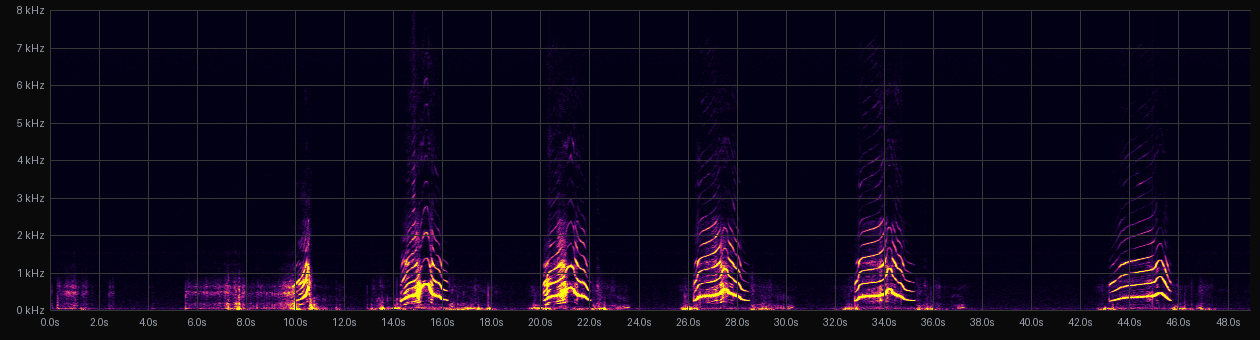
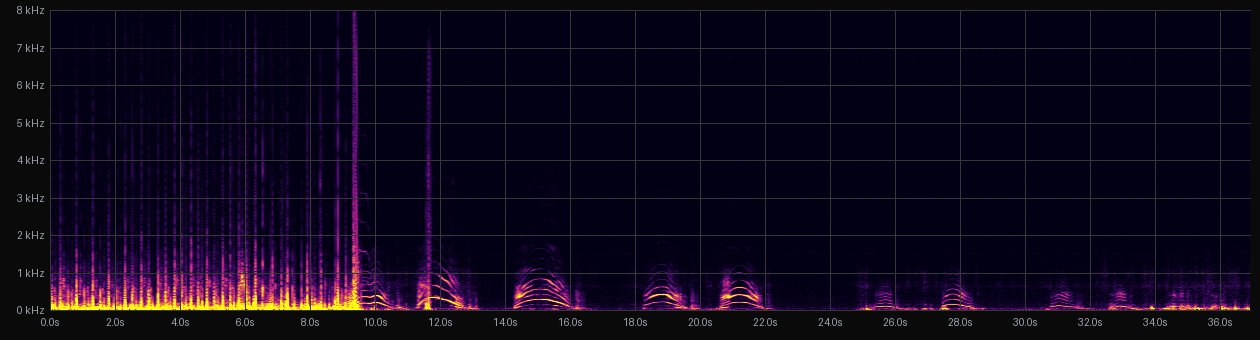
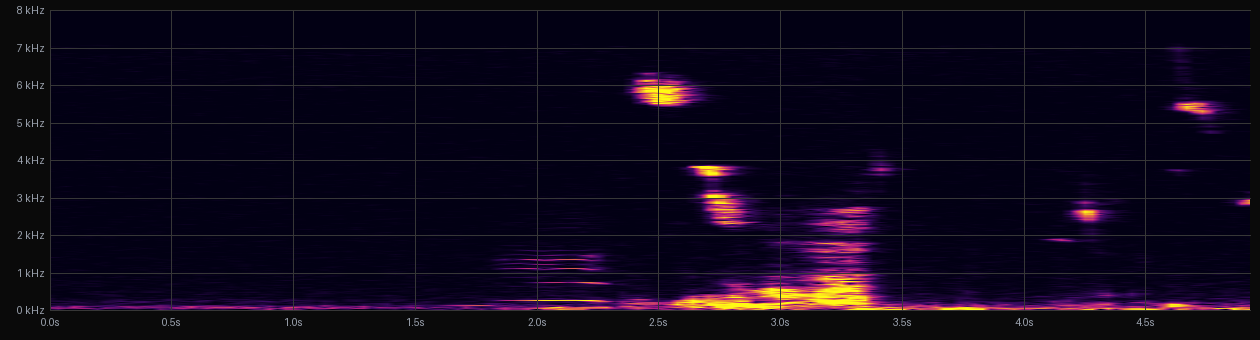
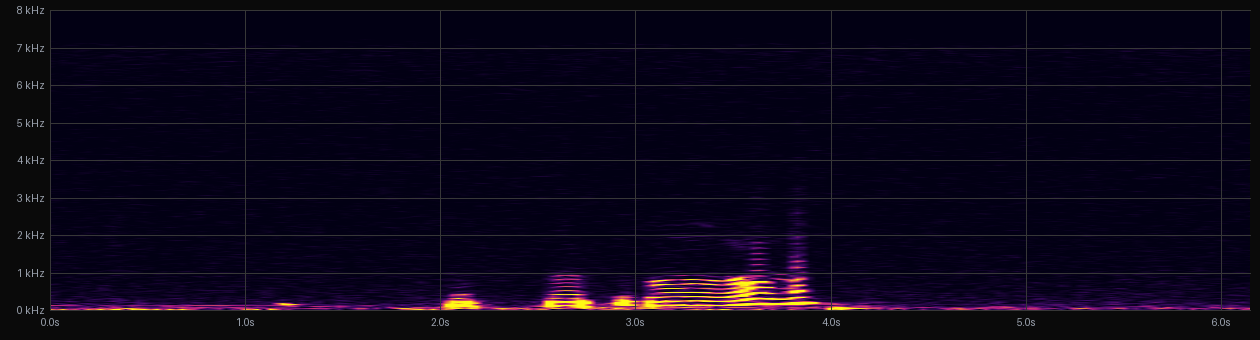
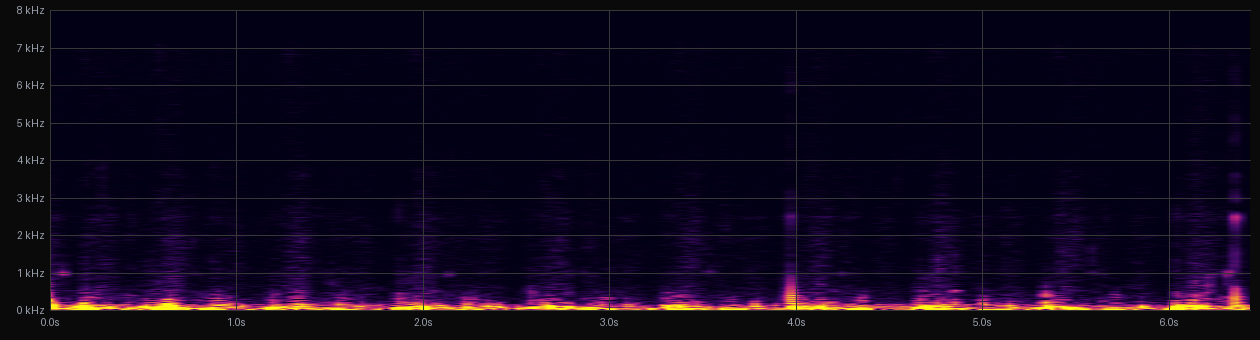
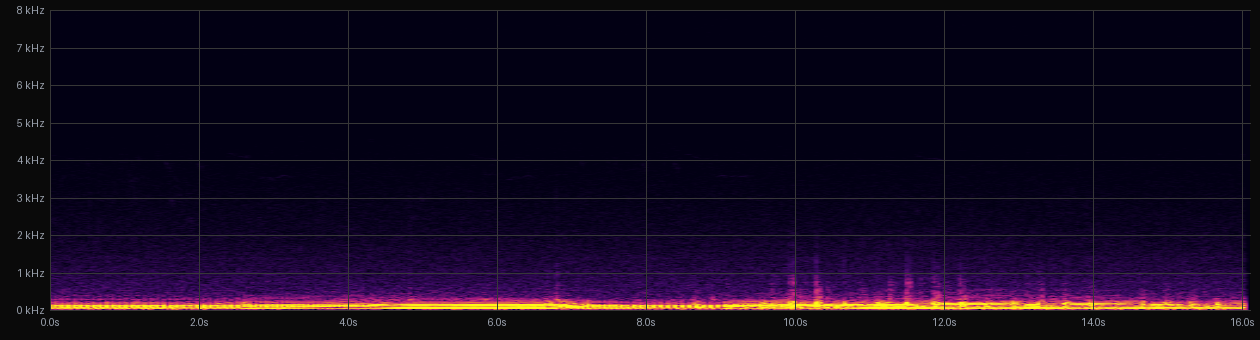
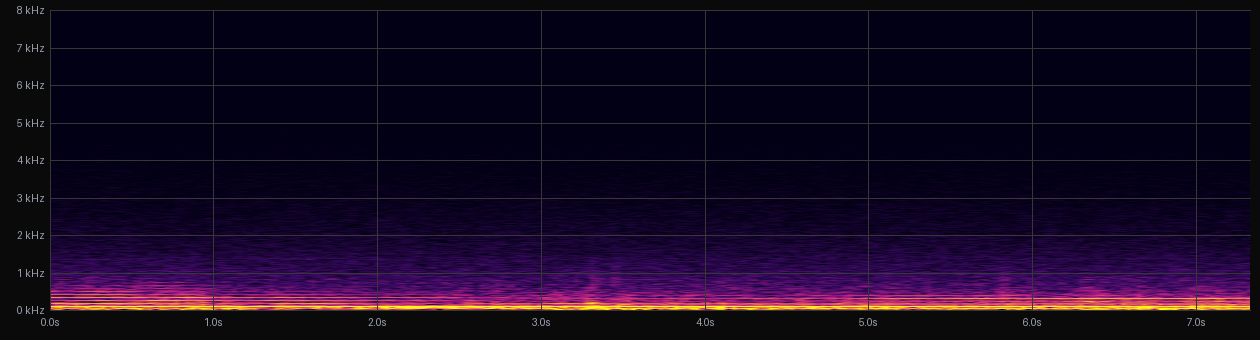
No other wildlife collar captures long-term audio in the field. CollarID's acoustic system — optimized with insights from acoustic experts at MIT and in industry — records what existing platforms miss entirely. Listen to real field recordings below.
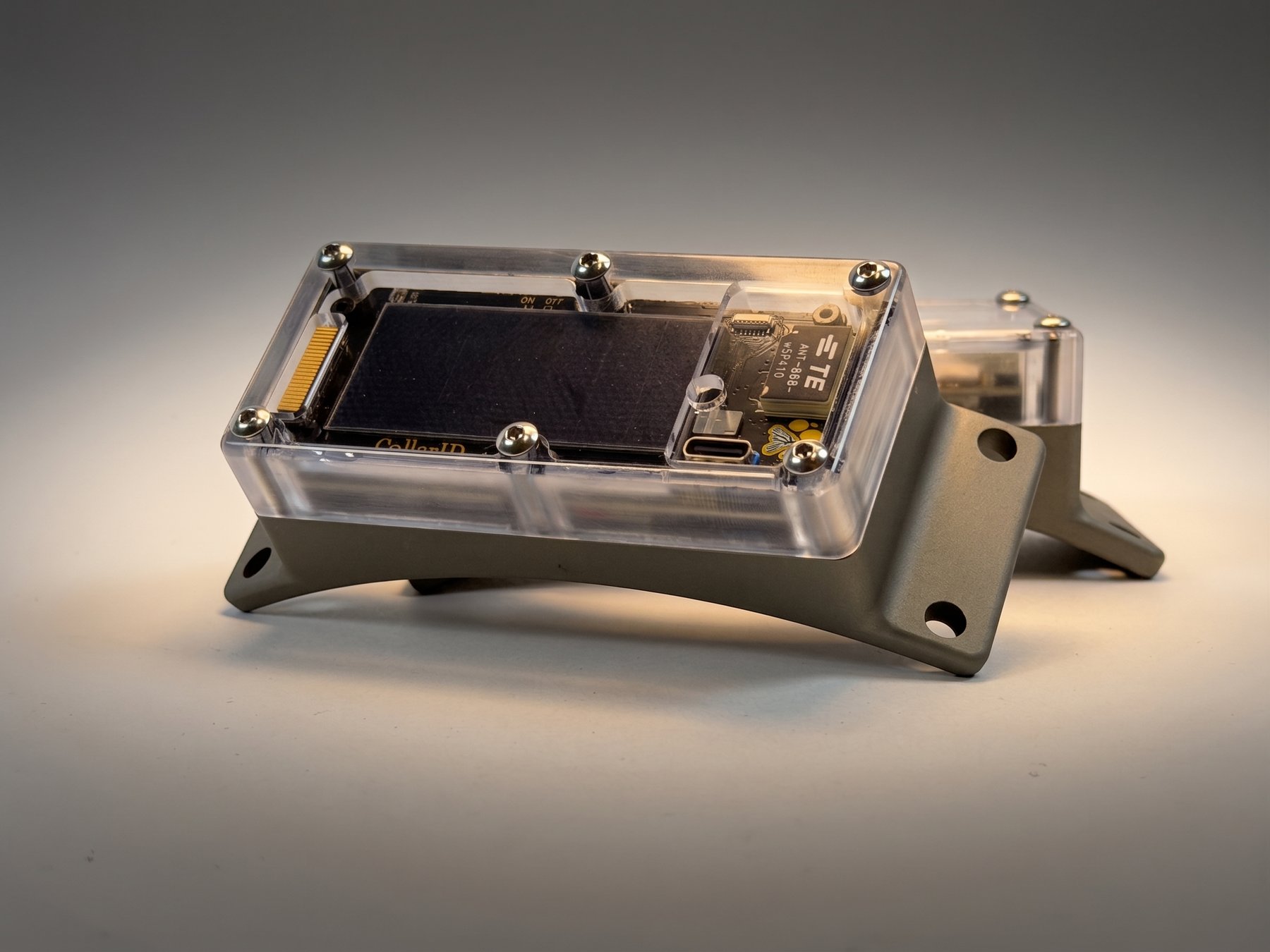
150 grams. Solar-powered. Built to survive a lion bite. Designed for years in the field, not weeks.
Designed for durability. Validated using Finite Element Analysis (FEA) against the bite force of a lion.
Waterproof and resilient through environmental chamber testing. Polycarbonate top and anodized aluminum base provide protection.
With just 1-2 hours of daily sun, CollarID runs indefinitely — recording audio 50% of the time with hourly GPS fixes. No retrieval needed to swap batteries.
Low-power LoRaWAN telemetry for real-time status and location updates across remote field sites without cellular infrastructure.
GPS, high-fidelity bioacoustics, IMU, temperature, humidity, pressure, and particulate matter sensing.
FEA simulations validate structural integrity, ensuring the device can withstand the physical demands of tracking wild animals like lions and hyenas.
Deployed on wild and domestic species across Africa, South America, and North America. Every deployment generates real data and refines the platform.
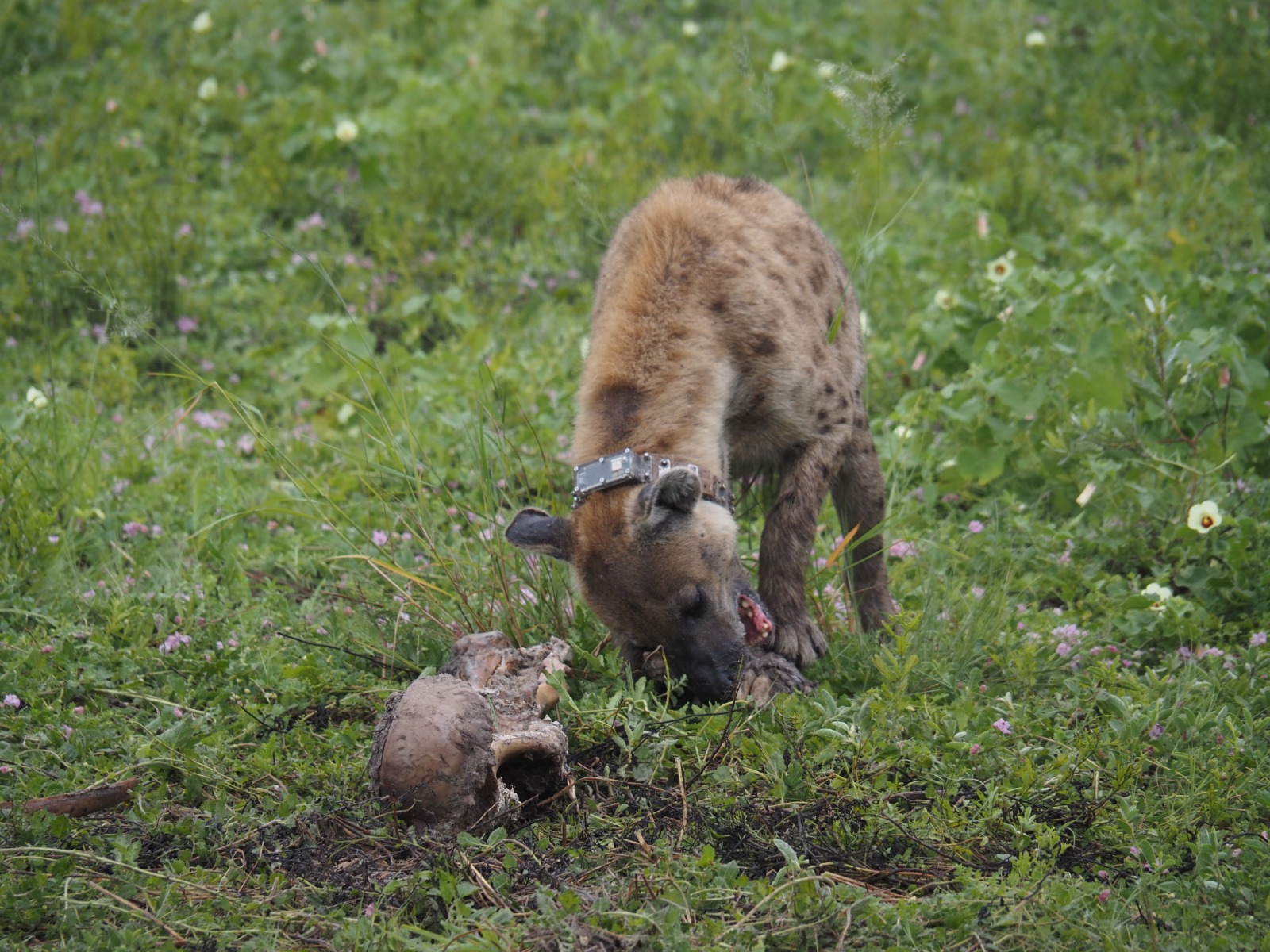
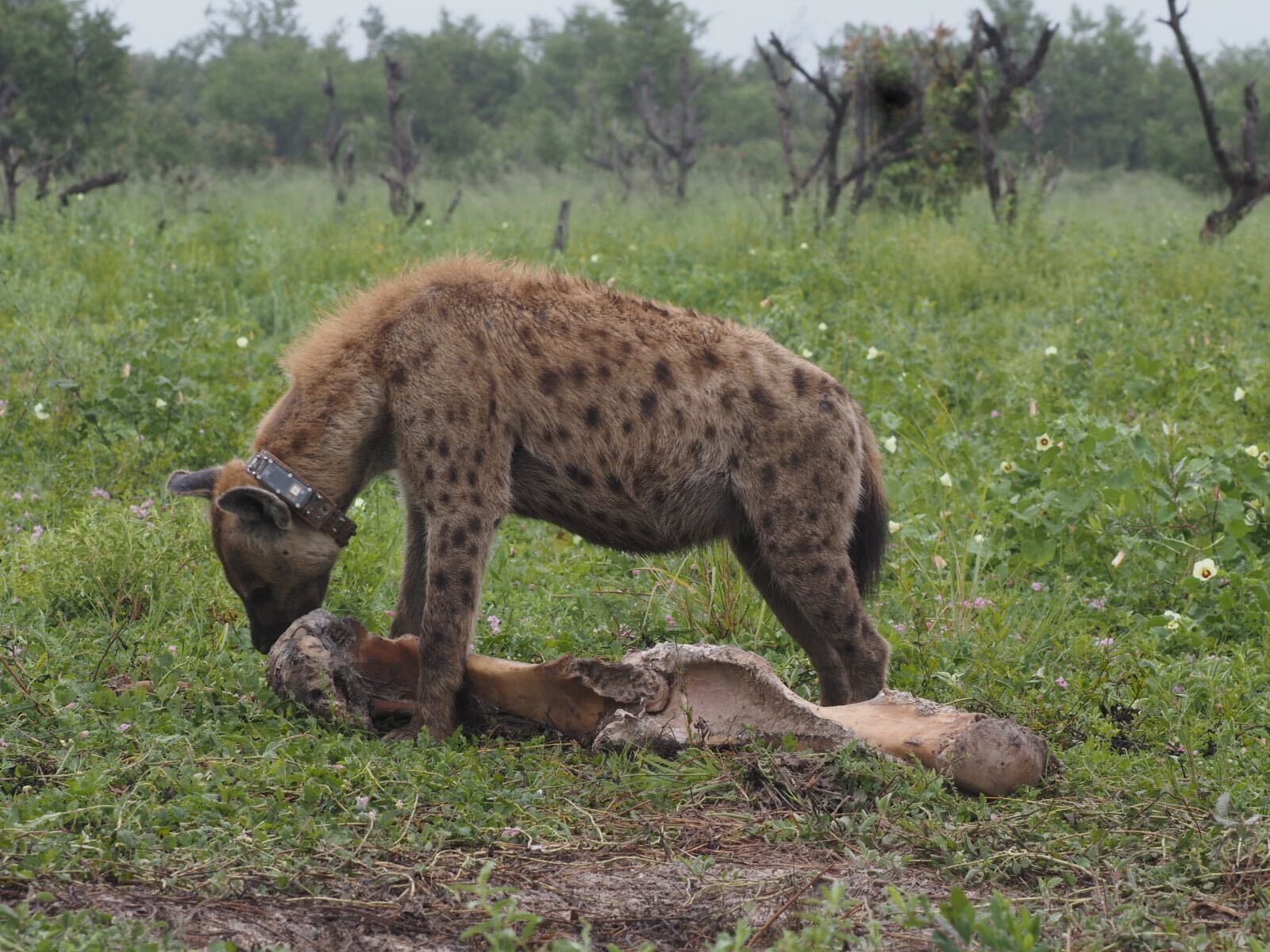
Deployed November 2025 in collaboration with Rohan Wadhwa, wildlife ecologist and doctoral student at the University of Georgia, studying spotted hyena movement ecology and human-wildlife conflict mitigation. Collected 3 weeks of continuous nocturnal acoustic data.
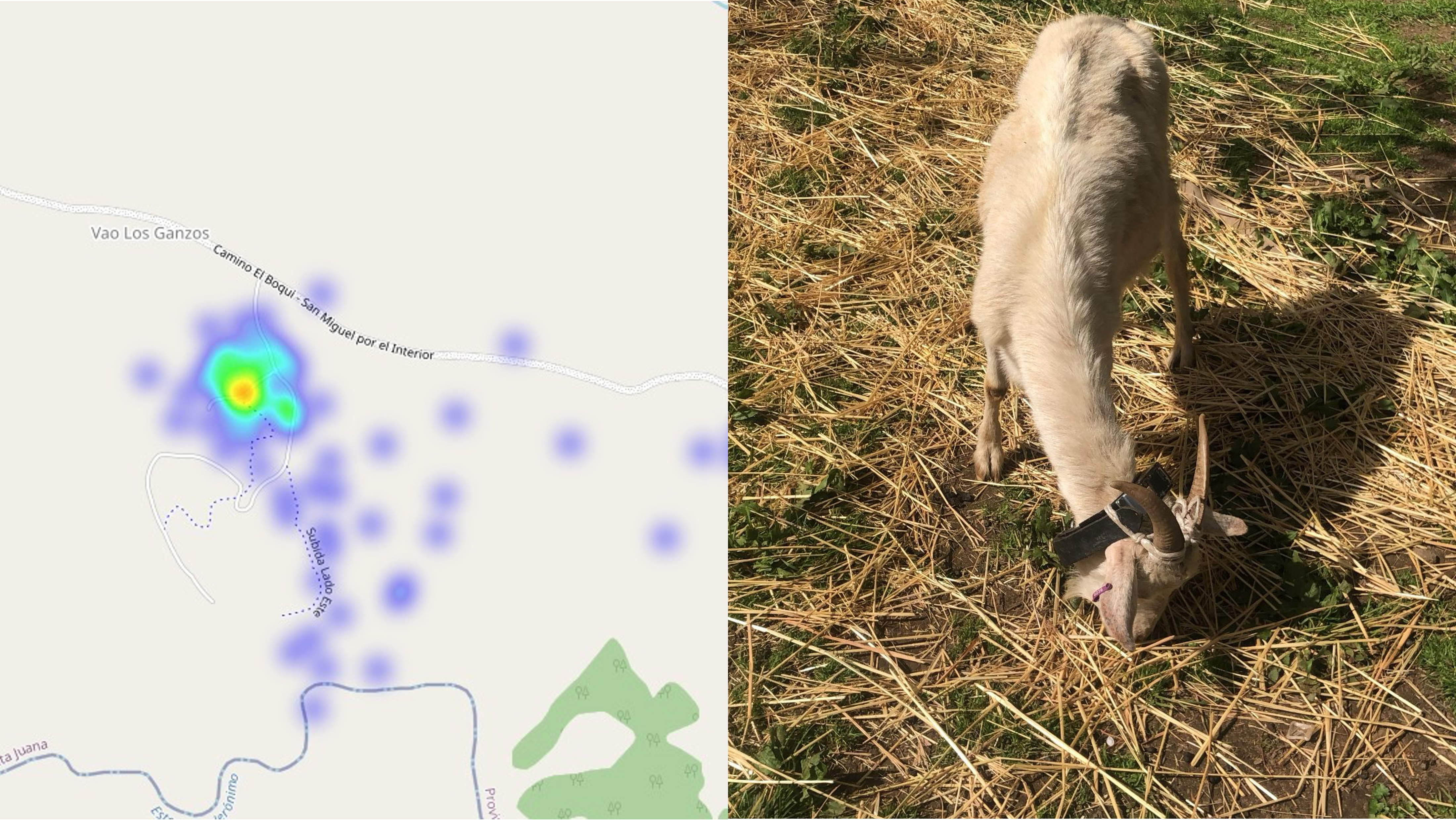
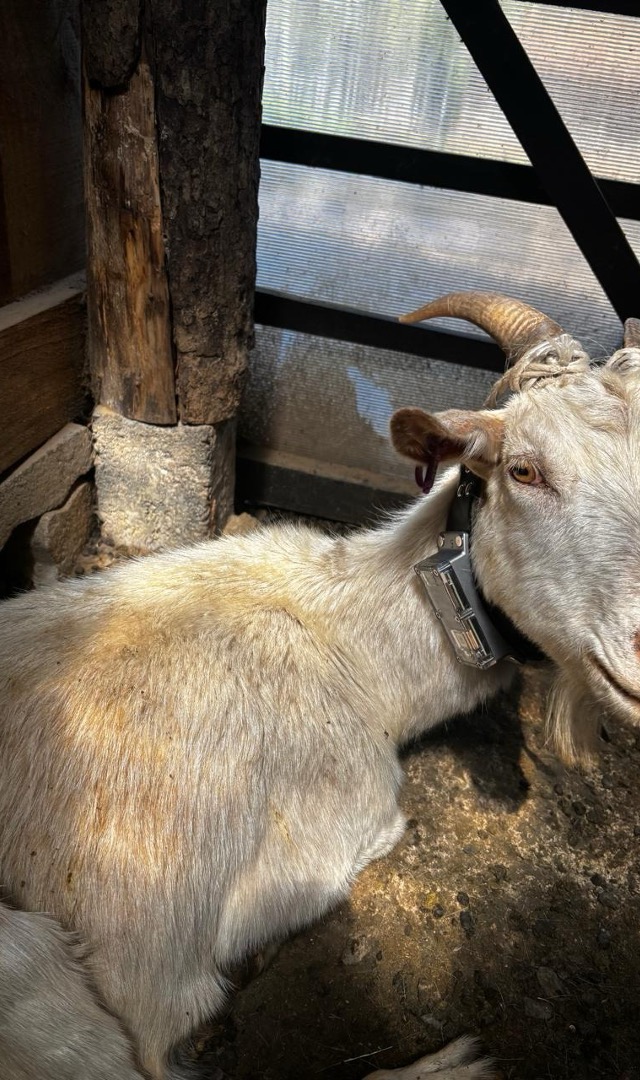
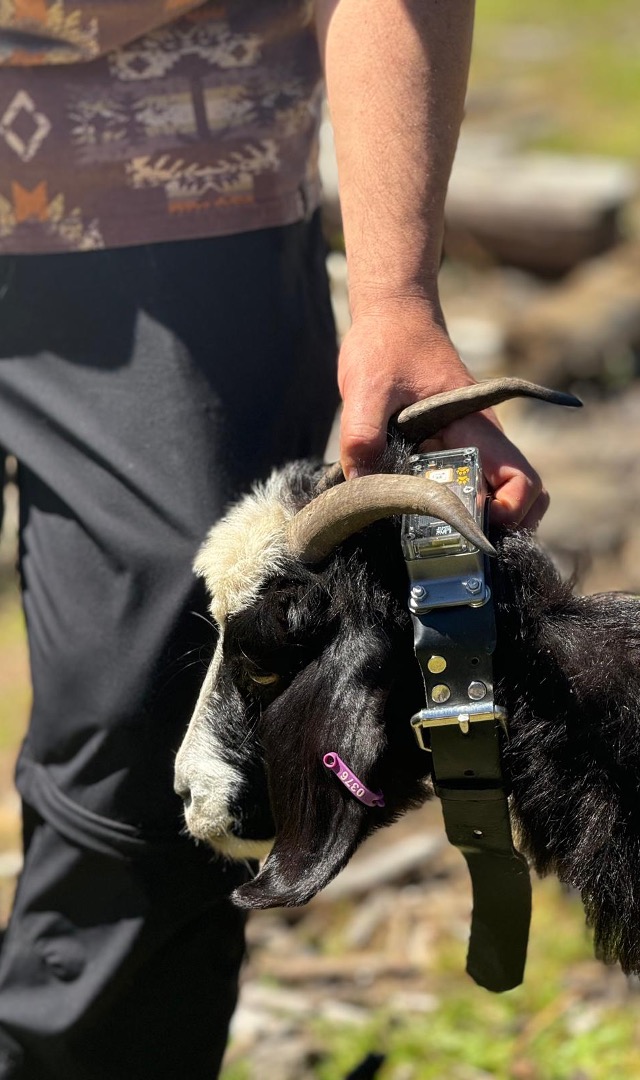
Two-week pilot with Buena Cabra and the MIT City Science Group, monitoring goat grazing behavior as a natural method for clearing dry wildfire fuel. Acoustic and IMU data captured feeding patterns to measure vegetation clearing effectiveness.
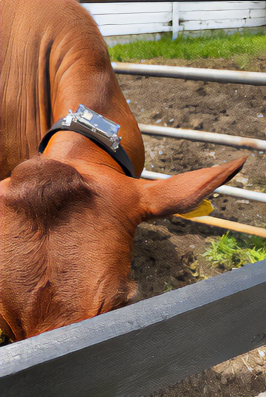
Multi-month deployment in partnership with Northaven Pastures, including through winter conditions. Three collars tracked cattle behavior and environmental exposure across seasons.
Pilot deployment on domestic dogs in indigenous communities, in collaboration with Stephanie Mitchell, doctoral candidate in Environmental Health Sciences at the University of Washington.
CollarID began as a PhD thesis at the MIT Media Lab. It's now a field-proven platform shipping to researchers worldwide.
Designed by Patrick Chwalek, PhD, CollarID was developed at the MIT Media Lab in collaboration with Kioxia Corporation, MIT researchers, and in consultation with National Geographic and the broader ecology and conservation community.
The Mk I platform has been validated across multiple field deployments — from spotted hyenas in Botswana to cattle surviving New York winters. Every deployment has returned usable data and informed the next iteration.
The Mk II builds on thousands of hours of field data with an optimized system architecture, lower assembly cost, and a larger solar panel for extended autonomous operation. Units are now available for pilot deployments.
Africa, South America, North America
Hyenas, goats, cattle, dogs — and more to come
Built at MIT. Used by university researchers and conservation organizations.
Whether you're a researcher, conservation organization, or funder — we'd like to hear from you. Mk II units are available for pilot deployments.
Get in Touch